.jpg?w=360&h=360)
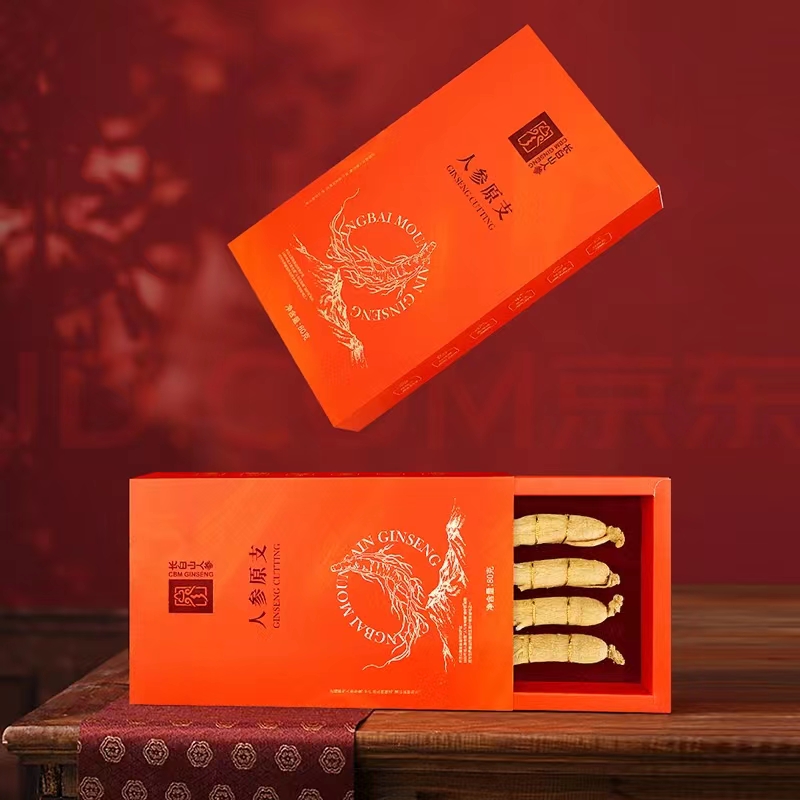
1. Introduction
- Brief overview of ginseng and its popularity as a traditional herbal remedy
- Key focus: health benefits, optimal ways to consume ginseng, and the best timing for intake
2. Understanding Ginseng
- What is ginseng?
- Types of ginseng: Asian (Panax ginseng), American (Panax quinquefolius), and Siberian
- Historical and cultural importance
3. Top Health Benefits of Ginseng
- Boosts energy and reduces fatigue
- Enhances cognitive function and memory
- Strengthens immune system
- Supports heart health and blood sugar management
- Anti-inflammatory and antioxidant properties
- Improves mood and stress resilience
4. How to Eat Ginseng
- Common methods: raw, tea, supplements, soups, and cooking
- Step-by-step guide: making ginseng tea
- Dosage tips: suggested daily amounts and safety considerations
- Flavor profile and culinary tips for integrating into meals
5. When Is the Best Time to Consume Ginseng?
- Optimal timing for maximum absorption and effectiveness
- Morning vs. evening intake: pros and cons
- Ginseng consumption for specific audiences (students, athletes, elderly)
- Seasonal considerations: why ginseng is ideal during certain times of the year
6. Precautions and Side Effects
- Who should avoid ginseng (children, pregnant women, those with certain health conditions)
- Possible interactions with medications
- Symptoms of overconsumption
7. Conclusion
- Summary of ginseng’s science-backed health benefits
- Practical advice on incorporating ginseng into your lifestyle
- Encouragement to consult healthcare providers before starting ginseng supplements
8. FAQs (Frequently Asked Questions)
- Can ginseng be taken daily?
- Is ginseng safe for long-term use?
- What’s the difference between Asian and American ginseng?
- How long does it take to see health benefits?
- Tips for sourcing quality ginseng products