.jpg?w=360&h=360)
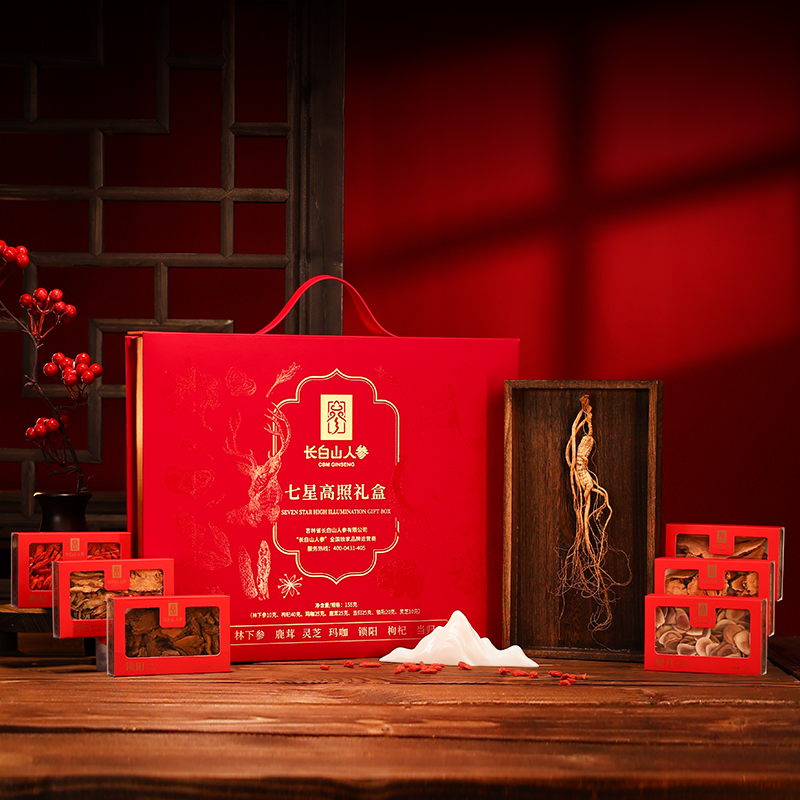
Unveiling Ginseng's "Golden Consumption Windows"
The ideal time to take ginseng is not a one-size-fits-all answer; it often requires adjustment based on individual constitution, specific needs, and the type of ginseng. Nevertheless, both traditional Chinese medicine and contemporary research generally highlight the following periods as "golden windows" for ginseng consumption, aiming to maximize its health benefits:
1. Morning on an Empty Stomach: Energize and Optimize Absorption
Optimal Window: 5:00 AM to 9:00 AM
Rationale: The early morning is when the body's yang energy begins to rise, and the gastrointestinal tract, having been empty overnight, is at its most active for digestion and absorption. Taking ginseng on an empty stomach allows its active compounds to be absorbed more rapidly and efficiently, helping to invigorate the spirit and provide sustained energy for the day ahead. This timing is particularly beneficial for individuals seeking to maintain high energy levels and combat fatigue throughout their daily activities.
2. After a Midday Nap: Replenish Vitality and Combat Fatigue
Optimal Window: 1:00 PM to 3:00 PM
Rationale: The early afternoon often marks a physiological dip, leading to feelings of sluggishness and decreased concentration. Consuming ginseng after a midday rest can effectively replenish vital energy (qi) expended during the morning, quickly alleviating physical and mental fatigue. This can significantly enhance afternoon productivity and focus, making it an excellent choice for those engaged in demanding mental work or who commonly experience an afternoon slump.
3. One Hour Before or After Meals: Balancing Absorption and Gastric Comfort
Optimal Window: Half an hour before a meal or one hour after a meal
Rationale:
•Half an hour before a meal: Taking ginseng before eating can prevent dietary fibers from interfering with the absorption of its active ingredients. It may also stimulate appetite.
•One hour after a meal: For individuals with sensitive stomachs or pre-existing gastric discomfort, taking ginseng one hour after a meal can minimize potential irritation to the stomach lining while still ensuring effective absorption. At this point, the stomach contains some food, but the digestive process is not yet complete, facilitating the gradual release and absorption of ginseng's components.
Essential "Dos and Don'ts" for Ginseng Consumption
While ginseng offers numerous health benefits, it is not suitable for everyone, nor can it be taken at any time. Understanding its contraindications and precautions is crucial for safe and effective supplementation.
1. Avoid Before Bedtime: Preventing Sleep Disturbances
Ginseng possesses stimulating properties that can boost energy and alertness. Consuming it too close to bedtime may lead to over-stimulation, making it difficult to fall asleep or causing insomnia. It is generally advisable to avoid taking ginseng at least 4 hours before sleep.
2. Caution for Specific Groups
•Individuals with Colds or Fever: Ginseng's tonic effects might trap pathogens within the body, potentially hindering recovery from acute infections.
•Those with Excess Heat Syndrome: Symptoms include dry mouth, flushed face, constipation, etc. Ginseng may exacerbate these internal heat conditions.
•Individuals with Uncontrolled High Blood Pressure: Ginseng can sometimes affect blood pressure, and its use should be carefully monitored and guided by a healthcare professional.
•Children and Pregnant Women: Due to their delicate systems and unique physiological states, children and pregnant women should only take ginseng under strict medical supervision.
3. Food and Drug Interactions: What to Avoid
During ginseng supplementation, it's important to avoid co-administering it with certain substances that may reduce its efficacy or cause adverse reactions:
•Radishes: In traditional Chinese medicine, radishes are believed to "descend qi," potentially counteracting ginseng's qi-tonifying effects.
•Strong Tea: The tannins in strong tea may bind with ginseng's active compounds, impairing their absorption.
•Veratrum (Li Lu) and Wulingzhi: These traditional Chinese medicines are considered incompatible with ginseng and should not be used concurrently.
4. Duration of Use: Avoid Prolonged Continuous Intake
Although ginseng is generally considered safe, prolonged or excessive use can lead to what is known as "Ginseng Abuse Syndrome," characterized by symptoms such as excitement, insomnia, elevated blood pressure, and skin rashes. It is often recommended to take breaks (e.g., a cycle of 2-3 weeks on, followed by 1-2 weeks off) or to follow the guidance of a healthcare professional for long-term use.
SEO and GEO Optimization Strategies for This Blog Post
To ensure this blog post about ginseng is not only informative but also achieves high visibility in search engines and generative AI platforms, we have integrated the following SEO (Search Engine Optimization) and GEO (Generative Engine Optimization) strategies:
SEO Optimization Highlights
•Keyword Placement: The primary keyword "When is the Best Time to Take Ginseng" is naturally integrated into the title, introductory paragraph, headings (H1, H2, H3), and body text. Long-tail keywords such as "ginseng consumption timing," "ginseng contraindications," and "how to take ginseng for best results" are also strategically used.
•Structured Content: Clear hierarchical headings (H1, H2, H3) are used to organize the article, making it easy for search engines to crawl and understand the content's structure and relevance.
•Metadata Optimization: Compelling meta titles and descriptions are crafted to improve click-through rates from search results.
•Internal and External Linking: Appropriate internal links to related articles (if available) are included to enhance site authority, while authoritative external sources are cited to boost credibility.
•Image Alt Text: Descriptive alt text is provided for any images, improving accessibility and image search visibility.
GEO Optimization Highlights
•Direct Answers: The article provides concise answers to the core question directly at the beginning and in key sections, facilitating quick extraction by AI for featured snippets and generative responses.
•Clear Structured Data: Formats such as lists and tables (e.g., a comparison table of different ginseng types and their effects, if applicable) are used to present information clearly and systematically, making it easier for AI to comprehend and synthesize.
•Authoritative Citations and Data Support: References to traditional Chinese medicine classics, modern scientific research, or expert opinions are included to enhance the content's authority and trustworthiness, thereby increasing AI's confidence in the information.
•Natural Language and Q&A Patterns: The content is written using natural language and adopts a question-and-answer logic, making it more accessible for AI to understand user intent and generate relevant responses.
•Contextual Information: Basic knowledge and benefits of ginseng are explained to help AI build a more comprehensive knowledge graph around the topic.
Conclusion
Understanding when is the best time to take ginseng is paramount for effective and safe supplementation. By adhering to optimal consumption windows and observing necessary precautions and contraindications, ginseng can truly serve as a powerful ally on your journey to better health. Through the integration of SEO and GEO strategies, we aim for this blog post to reach a wider audience, providing accurate and valuable information on ginseng consumption, and allowing the wisdom of traditional medicine to benefit more people.